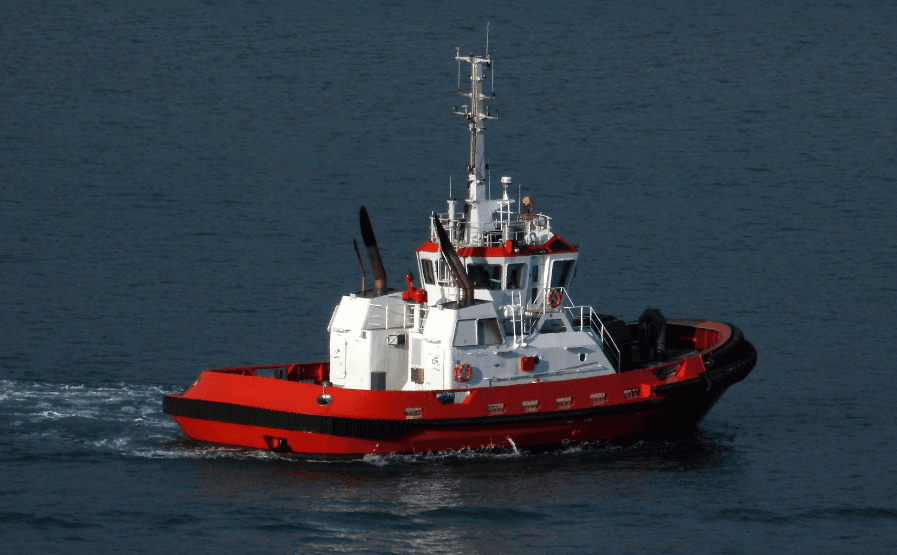
The deadline is looming for workboat fleet operators to be required to have a compliant MCA WB3 Safety Management System.
Most workboats will need to be fully compliant with the MCA Workboat Code Edition 3 (WBC3) by 13 December 2026 with various aspects, including fleet safety management. The requirement is clear, the deadline is fixed, and there are no extensions.
The Workboat Code – Edition 3: Safety of Small Workboats and Pilot Boats applies to commercial workboats under 24 metres Load Line length, engaged in activities such as marine construction, offshore wind support, survey, dive support, and maintenance.
WBC3 sets minimum safety and operational standards for:
- Vessel design, structure, and stability
- Machinery, electrical systems, and fire protection
- Life-saving appliances and communications equipment
- Manning, competence, and operational procedures
Timing and Capacity Will Be the Constraint
By 13 December 2026, all affected workboats must have implemented a robust Safety Management System (SMS) which is proportionate with the size and complexity of the vessels and the company or owner/operator's operations. The SMS shall consider both terrestrial and marine aspects as appropriate to the vessels and company's operations.
SMS compliance is not a single milestone. It requires surveys, full compliance against the Code, and documentation review in advance of the deadline. Only then is the vessel commercially operational.
As 2026 takes hold, surveyor and Certifying Authority capacity is expected to tighten. Even well-prepared vessels can experience delays due to:
- Limited surveyor availability
- Queues for document and certificate review
- Follow-up inspections or remedial work
At fleet scale, these factors become a coordination and risk-management exercise, not just a technical one.
Planning at Fleet Level
Operators managing multiple vessels need visibility of:
- Which vessels are ready for survey
- Where documentation or evidence is incomplete
- How surveys and remedial work can be scheduled realistically
Without this oversight, decision-making can become reactive, particularly as demand for survey and certification resources increases.
Where Ocealis Delivers
Ocealis provides structure and transparency across the Workboat Code Edition 3 process, helping operators manage the safety and operational aspects of multiple vessels, timelines, and stakeholders.
Fleet operators use Ocealis to:
- Maintain a clear, up-to-date view of readiness and gaps across the fleet
- Keep documentation organised and audit-ready
- See alerts regarding defects and certification deadlines such as STCW
- Plan surveys and remedial work without last-minute pressure
- Track certification progress consistently across vessels
The outcome is fewer surprises, smoother scheduling, and reduced risk of operational downtime.
In Summary
The 13 December 2026 deadline is fixed. For fleet operators, the challenge is managing compliance efficiently at scale under increasing demand for survey and certification services.
Contact us to discuss how Ocealis offers a practical way to maintain visibility and control across your fleet.
